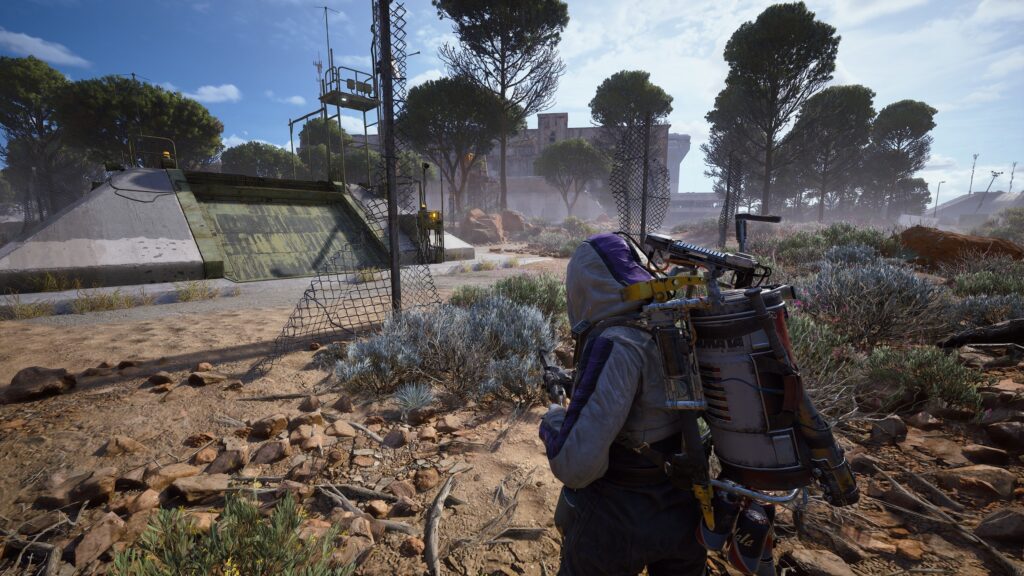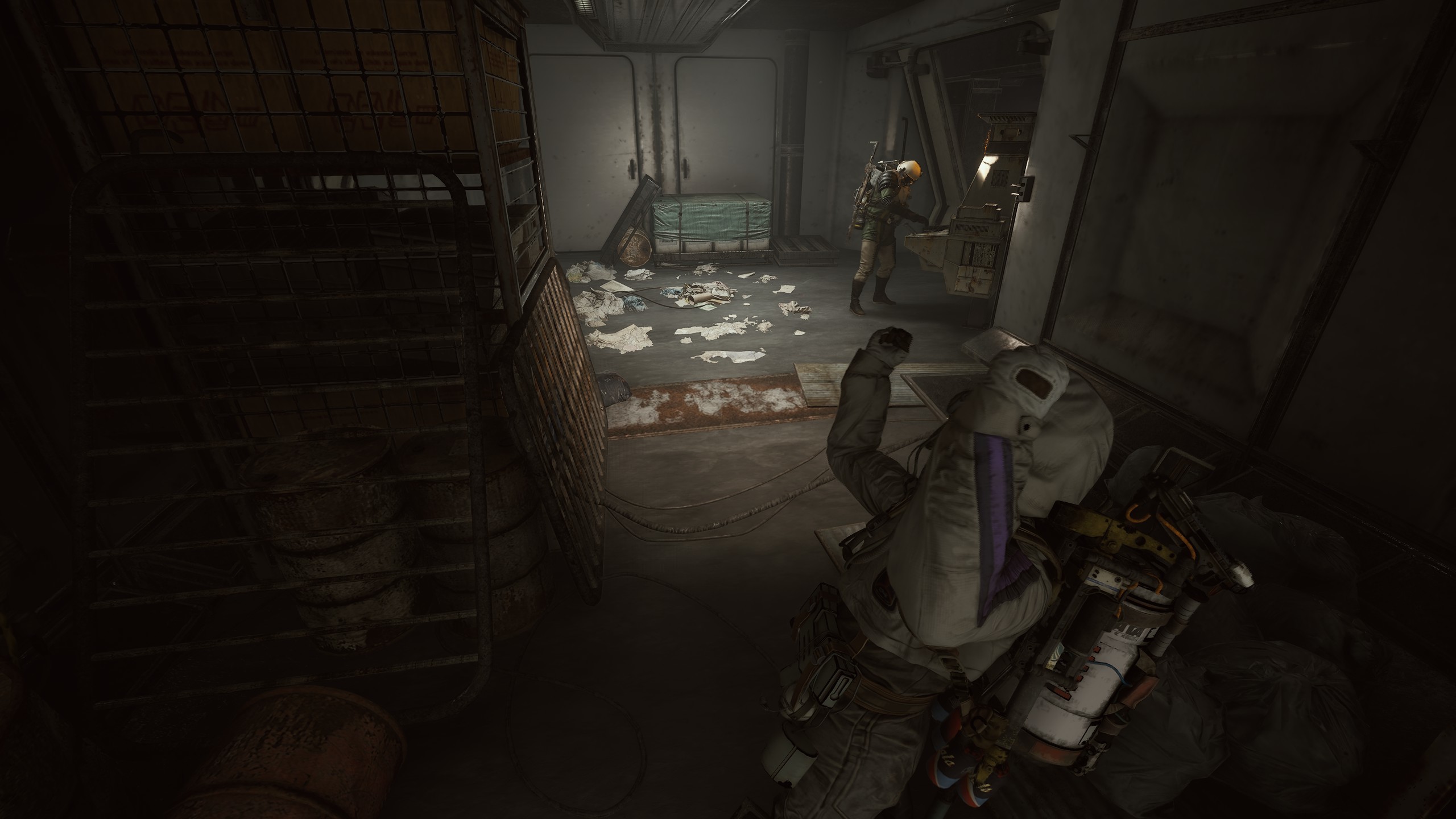
In the ruins of X-Isle, few defensive positions are permanent. The chaotic, procedurally generated debris (TVG) that litters the environment necessitates the rapid application of **Improvised Fortification Theory (IFT)**—the doctrine of utilizing loose structural elements and rubble to create effective, temporary defensive positions. Mastering the “Geometry of Cover” allows Raiders to convert battlefield chaos into tactical stability, providing crucial protection against ARC’s long-range kinetic bombardment.
This analysis details the principles for rapidly assessing procedural rubble, optimizing its use for protection, and integrating these improvised positions into offensive strategies.
Principle 1: Density and Kinetic Absorption
IFT prioritizes material density for kinetic absorption (DMT). Loose metal sheeting or thin polymer panels offer minimal defense against heavy ARC fire. Ideal improvised cover utilizes compacted concrete blocks, hardened steel girders, or densely packed mounds of rubble. Raiders must visually confirm the material composition of the debris before relying on it for protection against high-caliber threats.
- **High-Density Cover:** Provides maximum resistance to kinetic rounds and shrapnel (Explosive Resistance).
- **Low-Density Cover:** Primarily useful for obscuring movement (VIS) or temporary protection against small-caliber fire.
Principle 2: Angular Deflection and Arc Denial
IFT utilizes the geometry of the rubble to deny ARC line-of-sight and exploit deflection. Placing rubble at an oblique angle to the incoming threat vector increases the effective thickness of the cover, enhancing protection (DMT). More importantly, utilizing irregular shapes forces ARC units to adjust their line-of-sight repeatedly, buying precious time for the Raider to establish fire superiority.
Integration into Offensive Strategy (ABM/KOD)
Improvised positions are not purely defensive; they are anchors for offensive action. IFT dictates that the cover should be used to lure ARC units into a specific field of fire (ABM). Once the ARC unit commits to engaging the improvised position, the Raider utilizes the cover for stable firing (PBC) to deliver a precise Kinetic Overmatch strike (KOD) to the exposed target.
| Rubble Geometry | Tactical Function | Threat Countered |
|---|---|---|
| **Low, Wide Mound** | Prone stabilization; negates weapon sway. | ARC long-range kinetic bombardment. |
| **Tight Vertical Column** | Concealment for gadget deployment (Disruptor). | Sniffer Dog visual lock and aerial spotting. |
| **Overhead Debris Field** | Protection from vertical bombardment/mortars (IFM). | ARC high-angle fire and area saturation strikes. |
IFT and Environmental Hazard Mitigation (EHM)
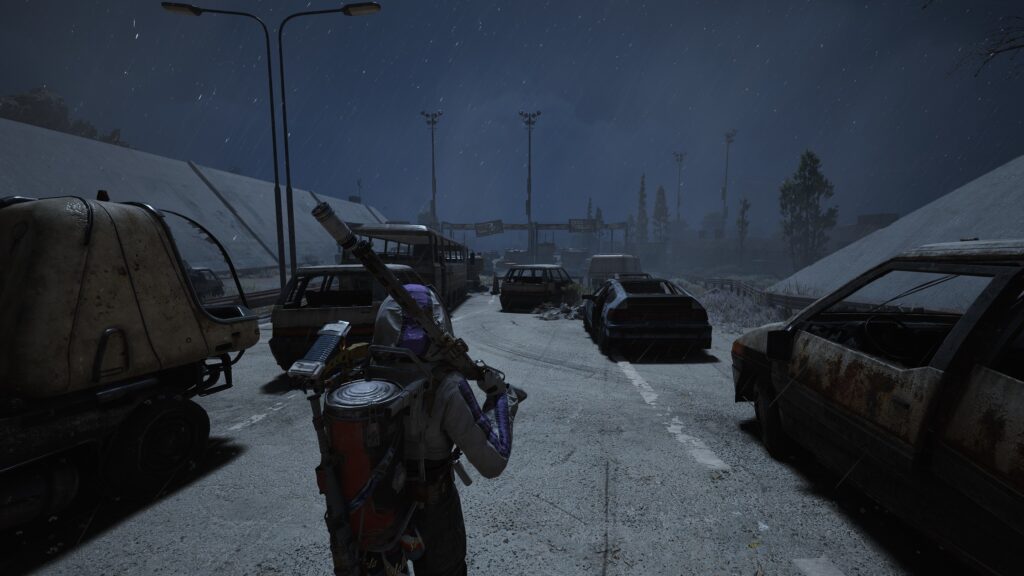
Improvised cover often carries EHM risks. Raiders must assess the stability of the rubble; utilizing cover that is structurally compromised risks a sudden collapse (EW), leading to incapacitation. Furthermore, rubble must not be positioned near environmental hazards (chemical spills, electrical faults) that can be weaponized by ARC fire.
Conclusion: The Fortification of Ingenuity
Improvised Fortification Theory ensures that Raiders view the chaos of X-Isle as a source of defensive strength. By mastering the geometry and density of procedural rubble, Raiders transform the battlefield into a personalized fortress, confirming that ingenuity and rapid assessment of the environment are superior to static, pre-built defenses.